 March 15, 2025
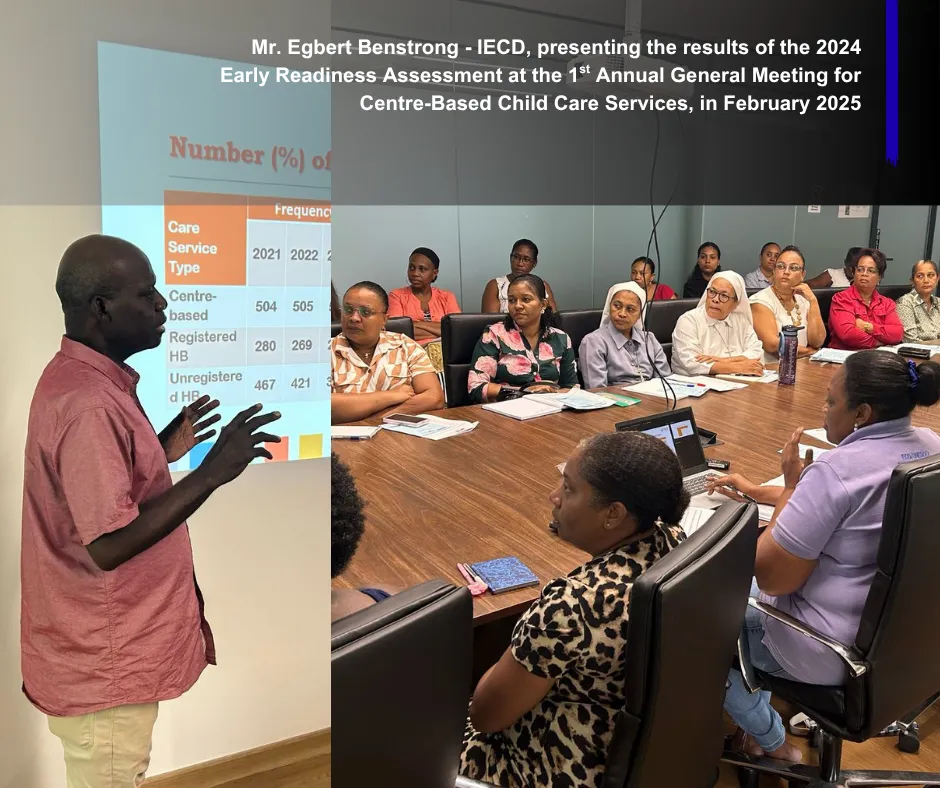
During the 1st Annual General Meeting for Centre-based Child Care Services in February 2025, the managers highlighted the need to expand the Early Learning Readiness Assessment for children aged 3 to 4 years. The meeting showcased last year’s assessment results, revealing an impressive 90% readiness level.
In addition to traditional pre-language, pre-mathematics and Social/emotional domains, child care managers emphasized the importance of evaluating children’s well-being, creativity, and overall social competence.
One promising approach to measure these vital domains is based on the work of Dr. Ferre Laevers and researchers at the University of Leuven. The scales developed by the team, aptly referred to as the Leuven Scales, evaluate two essential indicators of quality early childhood education: well-being and involvement.
Key Components
- Well-being
Measures emotional comfort, spontaneity, and resilience. High well-being correlates with self-confidence, self-esteem, and mental health
2. Involvement
Assesses engagement intensity, focus, and motivation. Sustained involvement is linked to meaningful learning and skill development
Assessment Method
The observer takes note of the activities or tasks that a child engages with the most. When the child is fully engaged, new materials and resources can be brought in without distracting. Both scales use a 5-point rating system:
- Extremely Low (e.g., distress, withdrawal)
- Low (e.g., visible discomfort)
- Moderate (neutral emotional state)
- High (e.g., vitality, self-assurance)
- Extremely High (e.g., spontaneous joy, deep engagement)
Utility
ECD professionals observe children for 2 minutes, scoring each scale independently. Levels fluctuate naturally, but consistent low scores (1–3) may signal developmental risks. The scales have very useful practical applications in that
- Early Intervention: Identifies children needing emotional or behavioral support
- Activity Design: Helps tailor tasks to foster engagement and reduce stress
- Parent Communication: Provides a framework to discuss child’s progress
Impact on Learning
High well-being and involvement enable deep-level learning, characterized by sustained curiosity, creativity, and skill mastery. Conversely, prolonged low levels may hinder developmental milestones.
In a nutshell, it is an idea worth pursuing even if it means additional professional development of care providers on how to use the scales – one more reason to give each child a winning start.