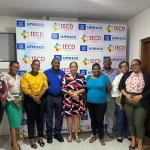
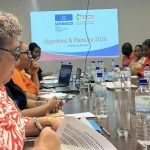
The Institute for Early Childhood Development (IECD)-UNESCO Category 2 Institute concluded its fourth Governing Board meeting, held virtually, with a strategic emphasis on enhancing financial sustainability through innovative resource mobilization initiatives. Chaired by Dr. Mmantsetsa Marope, the session was attended by all Board Members, including the leadership of the IECD Local Board, led by Chairman Dr. Javier Rose.
The meeting commenced with a tribute to the late Chevalier Joseph Samy, who served as the Special Advocate for IECD-UNESCO Category 2 in Early Childhood Care and Education (ECCE), recognizing his significant contributions to the Institute’s development. The Governing Board also welcomed Ms. Schéhérazade Feddal, UNESCO Education Programme Specialist, who assumed the role of UNESCO representative on the Board, succeeding Mr. Alexandros Makarigakis. Also in attendance by special invitation from the Board Chairperson was Dr Mamadou Lamine Sow, who served as the UNESCO interim representative. In bidding him farewell, the Board recognized and thanked Dr Sow for his contributions, and in turn, he pledged his continuous support in any possible capacity.
A central agenda item was securing sustainable funding to support the growth and stability of the Category 2 Institute. In this context, the leadership of the IECD Local Board introduced a new funding proposal aimed at addressing financial gaps. The proposal, titled “IECD: Plugging the Budget Gap Through Financial Innovation,” was presented, highlighting efforts to mobilize US$2.2 million from alternative financing sources. It emphasizes transparent, targeted funding requests and explores impact-based financing models to diversify income streams. The Board reaffirmed the importance of Seychelles government seed funding and discussed engaging international donors to support the Institute’s financial resilience.
While resource mobilization remains a priority, the session also highlighted recent programme achievements. IECD CEO, Mrs. Shirley Choppy reported progress in areas such as early childhood governance, quality assurance, and capacity building. Notable initiatives included increased enrolment in home-based childcare services, the introduction of new policies on staff-to-child Quota, and the launch of Early Stimulation and Learning Programmes.
Looking ahead, the Institute announced upcoming activities, including a regional workshop in partnership with the Regional Centre of Quality and Excellence in Education (RCQE), UNESCO Category 2 Centre in Saudi Arabia.
Despite ongoing global budget constraints affecting UNESCO, IECD remains committed to strengthening its resource base through strategic partnerships. Efforts continue to support other African countries in enhancing their ECCE systems and to engage private sector and regional development actors as supplementary sources of funding.
The session underscored IECD’s proactive approach to ensuring sustainable growth and reaffirmed its commitment to positioning ECCE as a regional and international priority, with lasting impacts across Seychelles and the broader African continent.